
WORDS BY NFC STUDENT, SARAH BAKER
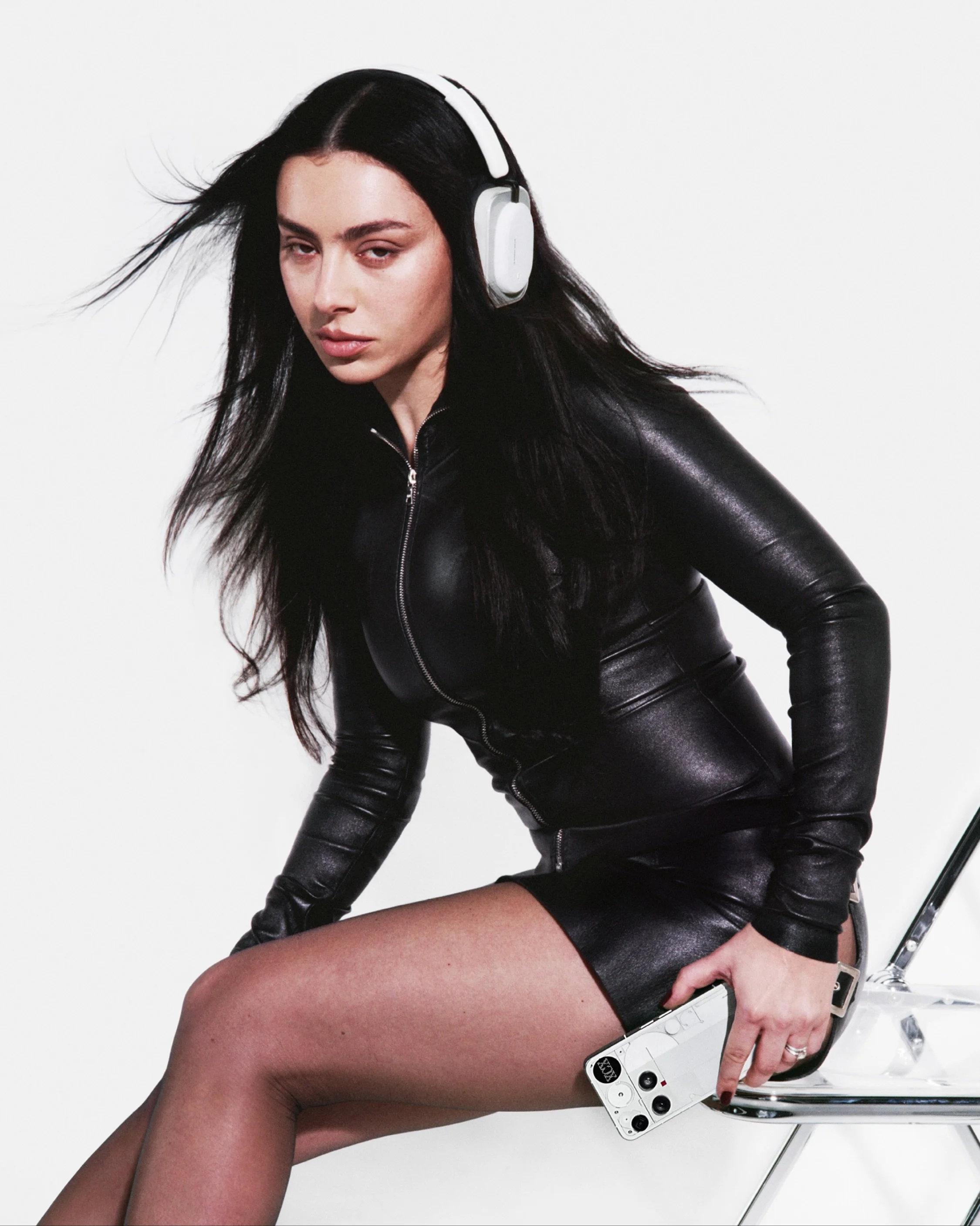
From underground internet culture to the front row of fashion week, hyperpop is challenging traditional ideas of pop stardom, personal style and what fashion is supposed to look like.
Fashion has always borrowed from music, but few genres blur the boundaries between sound, style and digital culture quite like hyperpop. Defined by its exaggerated production, electronic experimentation and internet-born identity, the genre has developed a visual language that challenges conventional ideas of beauty, celebrity and self-expression. Artists including Charli XCX and the late producer SOPHIE have helped shape this intersection between music and fashion, demonstrating how an artist's visual identity can become just as significant as their sound.
DRESSING FOR A DIGITAL WORLD: Hyperpop emerged from online music communities that embraced distortion, artificial vocals, futuristic production and an intentionally exaggerated approach to pop music. Its visual identity reflects the same philosophy. Metallic textures, unconventional silhouettes, oversized accessories, synthetic materials and clashing aesthetics all contribute to a style that feels deliberately excessive. Rather than following traditional rules of coordination or elegance, hyperpop-inspired styling often celebrates contrast. A distressed T-shirt might be paired with designer accessories, while delicate fabrics sit alongside leather, metallic hardware or sportswear. The result is a visual identity that can feel chaotic, playful and confrontational. This approach reflects a generation increasingly exposed to fashion through social media, music videos and digital imagery. Online, an outfit can become a recognisable symbol of an artist's identity before an audience has even listened to their music.
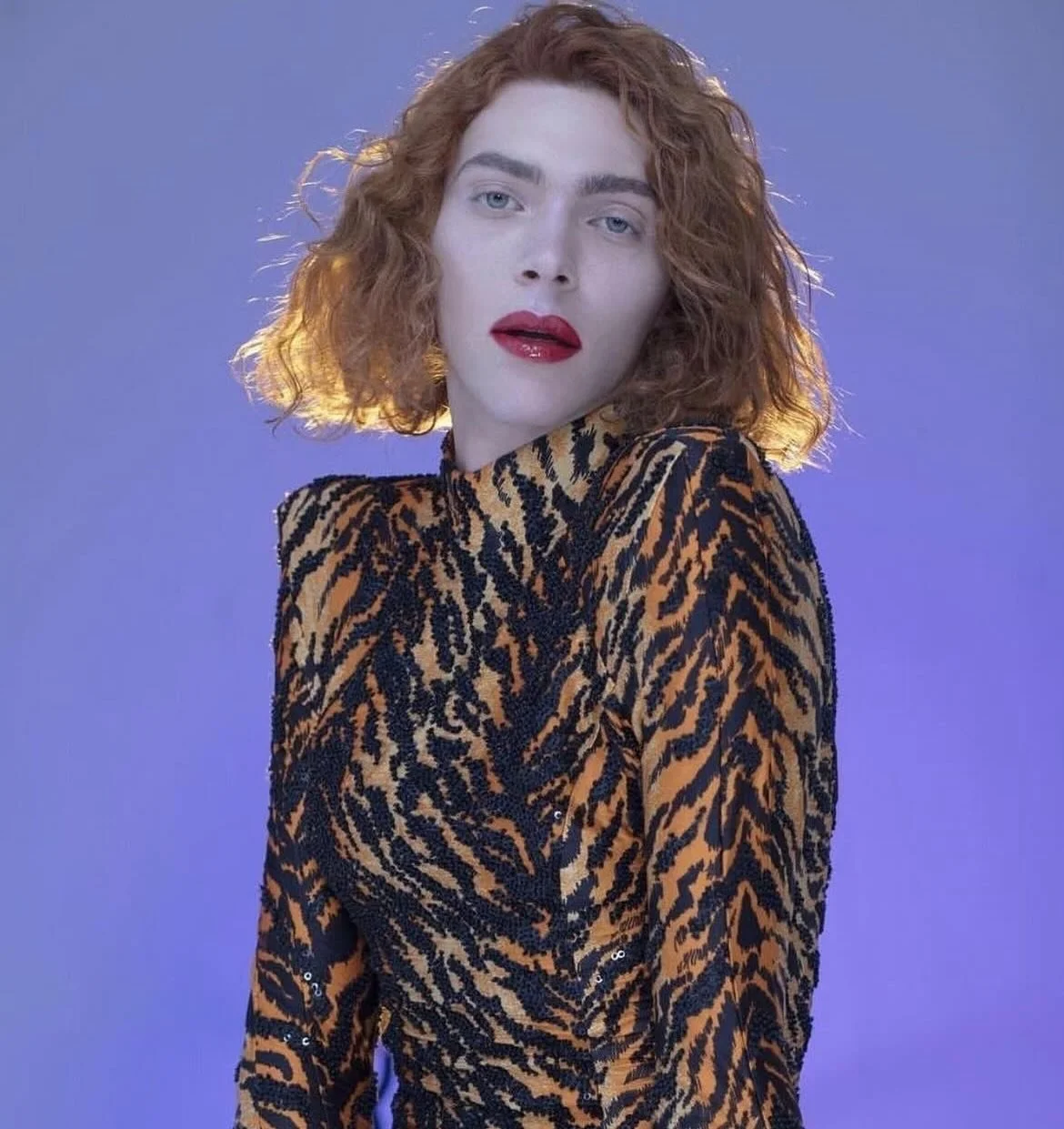
SOPHIE AND THE FUTURE OF FASHION: Few artists have explored the relationship between technology and visual identity as compellingly as SOPHIE. The Scottish electronic producer, who died in 2021, became known for music that transformed familiar pop sounds into something unfamiliar and futuristic. Her approach extended beyond music into her visual presentation, where sculptural shapes, reflective surfaces and artificial textures helped create an aesthetic that resisted conventional categorisation. Her work challenged audiences to reconsider ideas about identity, femininity and what pop music could sound and look like. SOPHIE's influence remains relevant to conversations about experimental fashion because her artistic world treated the artificial as something expressive rather than something to conceal.
Plastic, metal and exaggerated forms could be beautiful in their own right. For fashion, this raises an interesting question: why should clothing imitate the natural when it can imagine something entirely new?
FROM UNDERGROUND CULTURE TO THE MAINSTREAM: Hyperpop's influence has become particularly visible through Charli XCX, whose music and styling have helped bring club-inspired aesthetics to a wider audience. Her 2024 album Brat became a cultural phenomenon, accompanied by a deliberately unpolished visual identity built around acid green, casual styling and an irreverent attitude. Fashion coverage documented how the associated aesthetic spread beyond music into mainstream clothing and celebrity style.
However, Charli's fashion identity extends beyond a single album era. Her earlier work with experimental producer A. G. Cook and the PC Music collective helped establish a more synthetic, unconventional approach to pop that continues to inform her artistic image. As fashion publications increasingly examine the relationship between her music and wardrobe, her career illustrates how an artist's aesthetic can evolve alongside their sound. The transition from 1 • underground inspiration to mainstream popularity also raises questions about • commercialisation. When alternative aesthetics become popular, retailers and major brands can turn once-niche styles into widely available trends. This creates opportunities for emerging designers and stylists, but it can also strip subcultures of some of their original context.
MORE THAN AN OUTFIT: Ultimately, hyperpop's relationship with fashion demonstrates that clothing is more than a product or a passing trend. Styling can communicate an artist's creative direction, challenge social expectations and establish a connection with an audience. For emerging designers, stylists and fashion communicators, the genre offers an alternative to the polished perfection that has traditionally dominated celebrity imagery. Experimentation, individuality and even deliberate awkwardness can become creative strengths. As music and digital culture continue to influence the fashion industry, hyperpop's legacy may be less about a particular outfit or colour palette and more about the freedom to reject established rules. Fashion does not always need to be beautiful in a conventional sense.
Sometimes, its greatest strength is its ability to make people look twice.